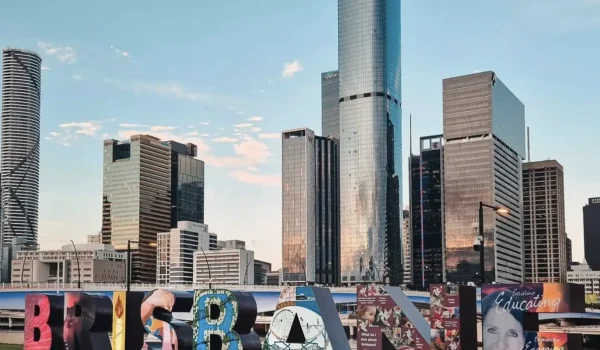
Every time I walk along the Brisbane River, I’m reminded that Historic Brisbane isn’t just ink in an archive — it’s alive in the streets, sandstone and skyline. This place started with the Yugara, Turrbal, and Quandamooka peoples, whose deep connection to Maiwar (the river) shaped what we now call Brisbane. Before European settlement, this land was a thriving meeting place full of ceremony, stories and trade.
When I first started exploring Brisbane’s backroads as a guide, I realised something: every suburb, ferry stop and corner pub has a yarn worth telling. From the Moreton Bay penal settlement to the bustle of South Bank, this city’s journey from isolation to innovation shows how tough the Queensland spirit really is.
From River Country to Settlement
Before it was a capital, Brisbane was River Country — a landscape of mangroves, bunya forests and winding creeks flowing into Moreton Bay. When Lieutenant Matthew Flinders sailed through South Passage on the HMS Mermaid in 1799, he recorded the beauty of the region and the generosity of the First Nations people he met near Bribie Island and Redcliffe Point.
It wasn’t until 1823 that explorer John Oxley, following orders from Governor Lachlan Macquarie and Earl Bathurst, returned to chart the Brisbane River and recommended the area for a new penal colony. Named after Sir Thomas Brisbane, then Governor of New South Wales, the Moreton Bay Penal Settlement was officially established in 1824, first at Redcliffe and later moved inland to a site better suited for farming and transport.
Convicts built everything — roads, storehouses and what’s now the Old Windmill at Wickham Terrace. Those early penal settlements laid the foundations for a city that would trade chains for commerce.
Gold, Growth, Grit
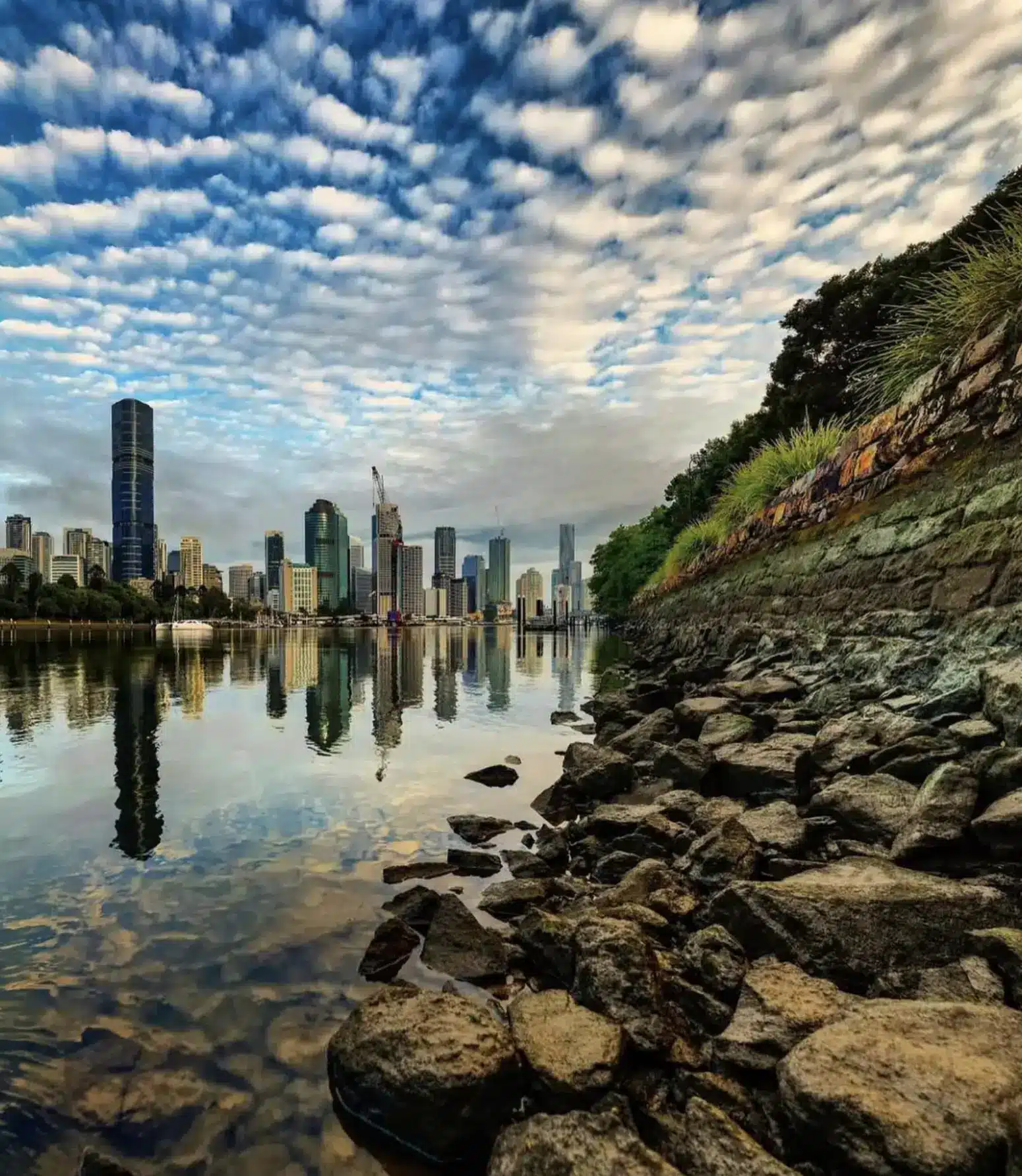
By the 1850s, the penal colony was closed, and the area was open to free settlers. The discovery of gold in the Darling Downs and beyond saw the rush to the goldfields, while the land near the Brisbane River became rich farmland. When Queensland separated from New South Wales in 1859, Brisbane became the capital — a city ready to stand on its own two feet.
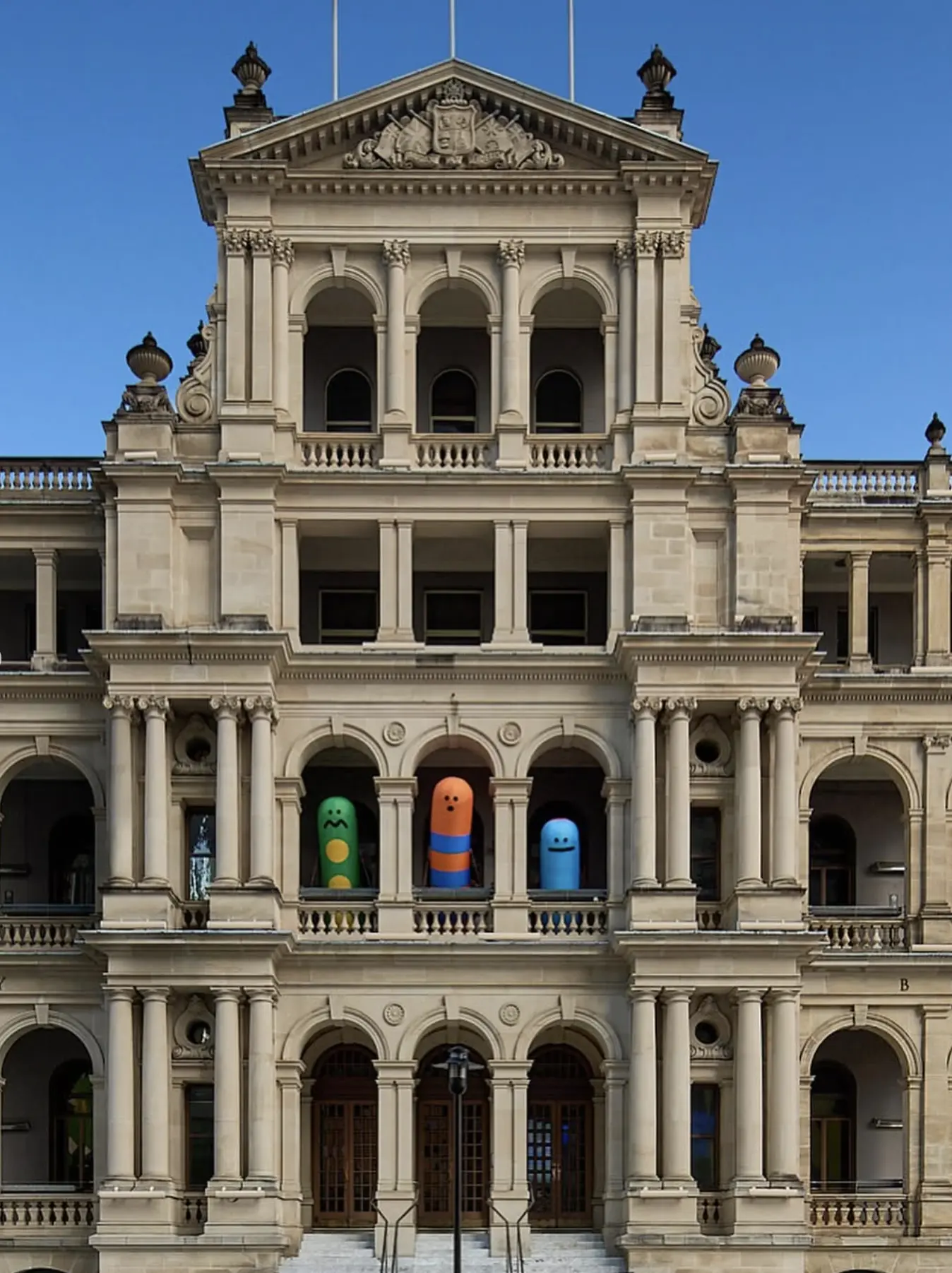
But it wasn’t all good times. The 1893 Brisbane Floods washed away bridges and hopes in equal measure. Still, Queenslanders being Queenslanders, they rebuilt stronger. Queen Street was paved, City Hall and the Treasury Building were built, and trams connected the suburbs.
Here’s a quick look at Brisbane’s historical growth:
Year | Population | Key Milestone |
|---|---|---|
1824 | ~300 | First convict settlement established |
1859 | ~6,000 | Queensland was officially declared a colony |
1900 | ~120,000 | Federation and modern city planning begin |
1950 | ~400,000 | Post-war boom transforms suburbs |
2025 | ~2.7 million | Australia’s third-largest city |
A Melting Pot: Post-War Migration
After WW2, Brisbane suddenly found itself at the forefront of migration. Families from Italy, Greece and Vietnam came and settled in the suburbs – and what a welcome they got! They opened cafes and delis that still line the streets of West End, Fish Lane and Woolloongabba.
That was just the start of the city’s cultural expansion – the Queensland Art Gallery, the Museum of Brisbane and the Brisbane History Group, for instance, were all born around about this time. They’re still running online exhibitions and public talks that explore the layers of Brisbane’s identity, all these years later.
By the time World Expo 88 rolled around, Brisbane was just buzzing – a creative, confident city that was as bright as the sunshine that shines on it every day. The old Expo site was transformed into the South Bank Parklands, a place where people could just enjoy themselves, street performers, markets and all.
Sunshine, Sport, and Balance
History Hotspots
Want to explore Brisbane without the tourist traps? Here’s where the city’s soul still resides:
- Old Windmill, Wickham Park – Built by convicts in 1828, it’s Brisbane’s oldest structure and one of the few remaining from the Moreton Bay Penal Settlement.
- Newstead House – Built in 1846, this heritage home has seen the city grow from paddocks to skyscrapers.
- Brisbane City Hall & Clock Tower – Designed by the Queensland Government Architect, it’s the city’s heart and the keeper of its stories.
- Commissariat Store – A convict-built gem managed by the Royal Historical Society of Queensland.
- Queensland Museum – A deep dive into the region’s natural and cultural history from European settlement to modern science.
- Queensland Art Gallery | Gallery of Modern Art (QAGOMA) – World-class exhibitions in a river-life and creativity-themed setting.
Brisbane Synagogue and Parliament House – Two stops on a 19th-century architectural walking tour. - Story Bridge Adventure Climb – For a panoramic view of the Port of Brisbane and the coastal sprawl to the Great Barrier Reef.

Local Legends and Living Tales
Brisbane’s got plenty of tall tales. Some say you can still hear Sir Thomas Brisbane’s ghost wandering City Hall on stormy nights, or the convicts’ cries near the Old Windmill after dark. Locals whisper about river spirits along Wallen Wallen Creek and old tram routes haunted by passengers who never got off.
Then there are the real legends — the Queensland Ambulance Service workers who ferried flood victims to safety in tinnies, the musicians who played by the South Bank after the water receded, and the Brisbane History Group volunteers who’ve kept the stories alive through archives and a digital collection open to all.
Paul Beames’ note: When I first started leading tours around Brisbane, I met an old bloke who’d lived through both the ’74 and 2011 floods. He said every time the river rose, so did the community — strangers became mates overnight. That, to me, is Brisbane in a nutshell.