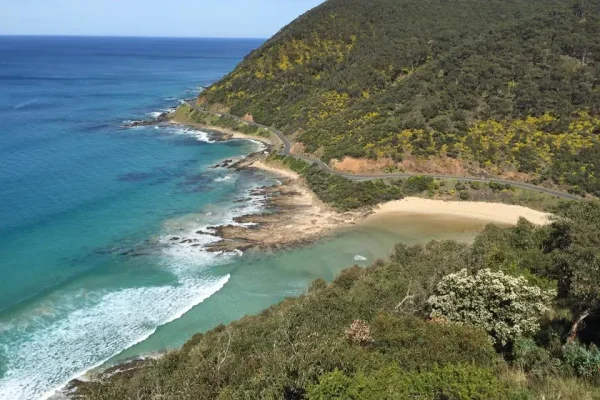
Torquay Surf Beach, on the stunning Surf Coast in Victoria, Australia, is a must-see for surfers, beach lovers and anyone looking to experience the real Aussie surf culture. This beach has big waves, beautiful coastal views and a surfy town vibe. Known as the beach lifestyle capital of Australia, Torquay is the start of the famous Great Ocean Road, and the surf scene extends to Bells Beach and Jan Juc Beach. Whether you’re an experienced surfer or a beginner looking to catch your first wave, Torquay Surf Beach has world-class waves, unique experiences and a warm surf community.
The Appeal of Surf Beach
Torquay Surf Beach has got it all, attracting visitors from around the world with its consistent waves, white sandy beaches and a town that lives and breathes surfing. The beach itself is perfect for surfers of all levels, with a range of wave consistency for everyone from complete beginners to advanced surfers. Big waves for the brave and small waves for the newbies, the beach has something for everyone.
Torquay is also the heart of the surf community, with the Australian National Surfing Museum, Rip Curl and Quiksilver and a surf scene that’s as much about the community as it is about catching the perfect wave. Surfers will find everything they need here, from rental and lessons to surf shops and cafes along the coast. For visitors there’s a special charm to Torquay’s beach lifestyle, Aussie beach vibe and being the birthplace of surf culture.


Surfing History
Torquay’s surfing heritage goes back to the 1950s when surfing first started in Australia. Torquay became the hub, and surf brands were born that would shape the global surf culture. The emergence of Bells Beach as a surf spot turned Torquay into a surf pilgrimage destination where visitors from around the world come to test their skills on the wave magnet breaks.
The town’s history and culture is acknowledged at the Australian National Surfing Museum which documents the history of surfing and the athletes, events and brands that have contributed to it. Torquay’s status as a surf destination is evolving but its cultural heritage is strong and its surf legacy is evident everywhere – from the local surf shops to the annual events that keep the town buzzing.
Getting to the Surf Beach
Torquay Surf Beach is only 45 minutes from Avalon Airport. From Melbourne, it’s 1.5 hours along Great Ocean Road, or you can take the train to Geelong and take the bus. Once in Torquay, the beach is within walking or biking distance from most accommodations, so you can easily get to both Torquay Beach and other attractions on a Great Ocean Road day tour.

Best Time to Visit
Spring (September - November)
Summer (December - February)
Autumn (March-May)
Winter (June - August)
Surf Schools and Lessons
Surf Safety & Etiquette
Where to Hire a Surfboard & Wetsuit
Surf Events at Torquay Surf Beach
Torquay Surf Beach and Bells Beach are host to many surf events, the most famous being the Rip Curl Pro held at Bells each year. This elite event attracts surfers from around the world and has world class waves in a fun and lively atmosphere. There are also local surf events and competitions throughout the year to celebrate the surf culture and provide an awesome experience for spectators and competitors.

FAQ
Where are the best surf spots near Torquay?
Apart from Torquay Surf Beach, Bells Beach and Jan Juc Beach are close by and have great waves, each with different surf conditions for all levels.
Can beginners take surf lessons at Torquay Surf Beach?
Yes, Torquay has several surf schools including Torquay Surf Academy that cater for beginners and focus on safe surfing and basic skills.
When is best for experienced surfers to visit Torquay?
Autumn and winter is best for experienced surfers as the rideable swells are consistent and the offshore wind direction creates perfect waves.
What surf events are held at Torquay and nearby beaches?
The Rip Curl Pro at Bells Beach is the main event, but Torquay has smaller events that celebrate the local surf culture.
Is it safe to swim at Torquay Surf Beach?
Yes, but stay within the patrolled areas, as some sections are unpatrolled. Always check the surf conditions and signs.