
Queensland is a state that has a knack of catching you out – one minute you’re planning a nice andeasy coastal holiday, and the next thing you know the drive from Brisbane to Cairns is looking like a seriously long haul, 19-20 hours without a break – thats a sobering thought, one that Paul found out the hard way when he confidently said we’d make it to Cairns before dark…oh boy were we wrong.
Still, the state rewards people who do their homework – you’ve got tropical rainforests, reef towns, surf beaches, cattle country, dusty outback roads and islands where the pace of life just slows down. With millions of domestic visitors every year, especially around Cairns, the Gold Coast, and Whitsundays, according to Tourism and Events Queensland and the Australian Bureau of Statistics, its clear that people are able to plan properly and make the most of whats on offer; and operators like Autopia Tours have made multi-day adventures far simpler for the average visitor who doesn’t want to get bogged down with every last detail.
Focus On One Region
The thing is Queensland works best when you just take things a bit slower and focus on one area at a time. Trying to cram in Brisbane, Cape York, K’gari and the reef in one rushed itinerary is usually a recipe for disaster – you end up with servo food, stress and someone in the car having a good old-fashioned argument with Google Maps.

South-East Coastal Trips Suit First-Time Visitors
The south east corner is probably the best place for first-time visitors to start – Brisbane, Gold Coast and Sunshine Coast have all the transport links and infrastructure you could need – reliable roads, public transport, decent airports, supermarkets and accommodation to fit all budgets.
Brisbane Airport sits roughly 20-30 minutes from the city centre, pending traffic – and the Airtrain service is pretty reliable, even if its not the cheapest at about 20 dollars one way – but rental cars become the better option if you plan on driving between beaches or heading out to the hinterland towns. But just be aware that parking in the coastal strip can be a real issue, especially around popular spots like Noosa and Burleigh Heads, where spaces vanish as quickly as you can say “school holidays”.
Tropical North Adventures Feel Wild And Unpredictable
Once you get to Cairns and Port Douglas though, the atmosphere changes pretty quick – the humidity builds, the roads twist sharply through the rainforest and, trust us, wet season storms can shut the roads up with very little warning.
This region is still the best place to see the Great Barrier Reef and the Daintree Rainforest, and Paul still remembers stepping out of Cairns Airport on a January day and feeling like someone had wrapped a hot, wet towel around his head.
Tour operators like Autopia Tours usually recommend that visitors allow for a bit more flexibility in their itineraries for the tropical north, because weather disruptions are always a possibility during the wet season. And that’s not just marketing fluff – the roads north of Mossman can flood pretty quickly after heavy rain.
Western Towns Reward Slower Travel
Out west around Longreach and Winton, though, it’s a different story altogether; the distances are massive, fuel stops are thin on the ground, and mobile reception often disappears as quickly as you find it.
This is the part of the country that really suits people who enjoy long drives, country pubs, history museums, and genuine outback landscapes. Not so ideal for people who get a bit edgy after 20 minutes without a phone signal.
Seasonal Conditions Can Make Or Break Your Trip
Queensland’s weather isn’t just hot or not hot; it’s a whole different ball game – your road trip depends on it, with access to roads, how clear the reef is, how many people you’ll be bumping into, and your overall comfort level all being affected.

Winter Brings The Most Comfortable Spots
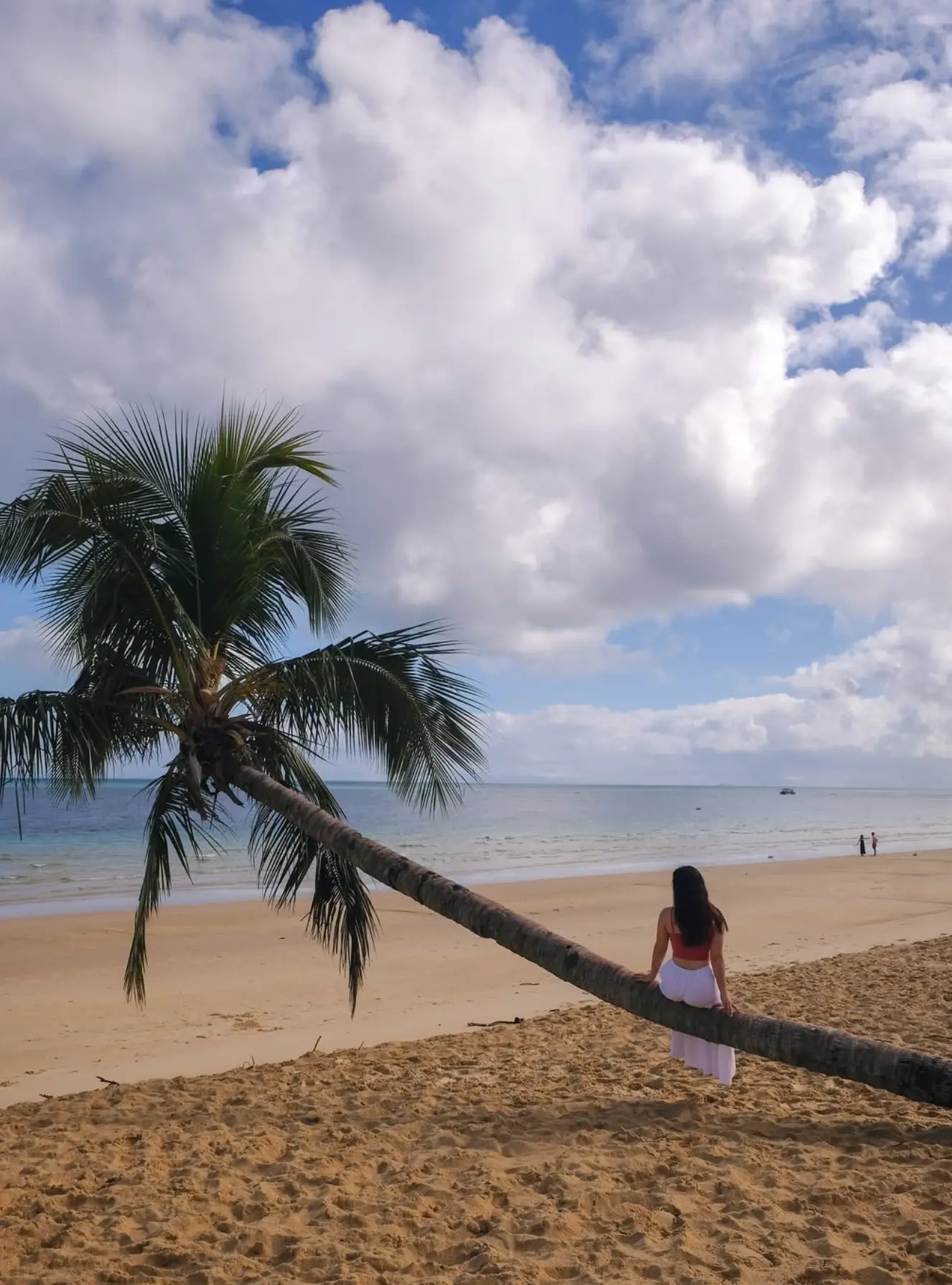
From May to September, humidity in the north drops, and road-trip conditions are a whole lot better. Looking at the Bureau of Meteorology’s climate stats, it’s safe to say that winter is usually pretty reliable for rainfall and temperature patterns in the tropics.
Paul reckons July in Cairns is just about perfect: warm water, cooler nights, few storms, and you don’t have to worry about sweating through your shirt before breakfast.
Summer Conditions Become Brutal In Some Areas
From November to April, the wet season conditions can bring flooding, cyclones, road closures, and humidity so thick you feel like you’re swimming through the air.
Reality Check:
People usually imagine tropical summer as sipping margaritas by the palm trees. But reality often involves getting drenched, dealing with huge mosquito bites, and storms that just dump rain sideways on the highways, making you wonder if you’re driving through a waterfall.
It’s not to say that summer travel is out of the question – it just means you need to be flexible.
| Region | Best Time To Visit | Common Travel Problem |
|---|---|---|
| Brisbane & South-East | March–May, Sept–Nov | Summer storms and Brisbane floods |
| Tropical North | May–September | Wet season humidity and flooding |
| Whitsundays | June–October | Strong winds during shoulder months |
| Outback Areas | April–September | Extreme summer heat above 40°C |
| Gold Coast | Year-round | Packed beaches during holidays |
Long Drives Need Proper Planning
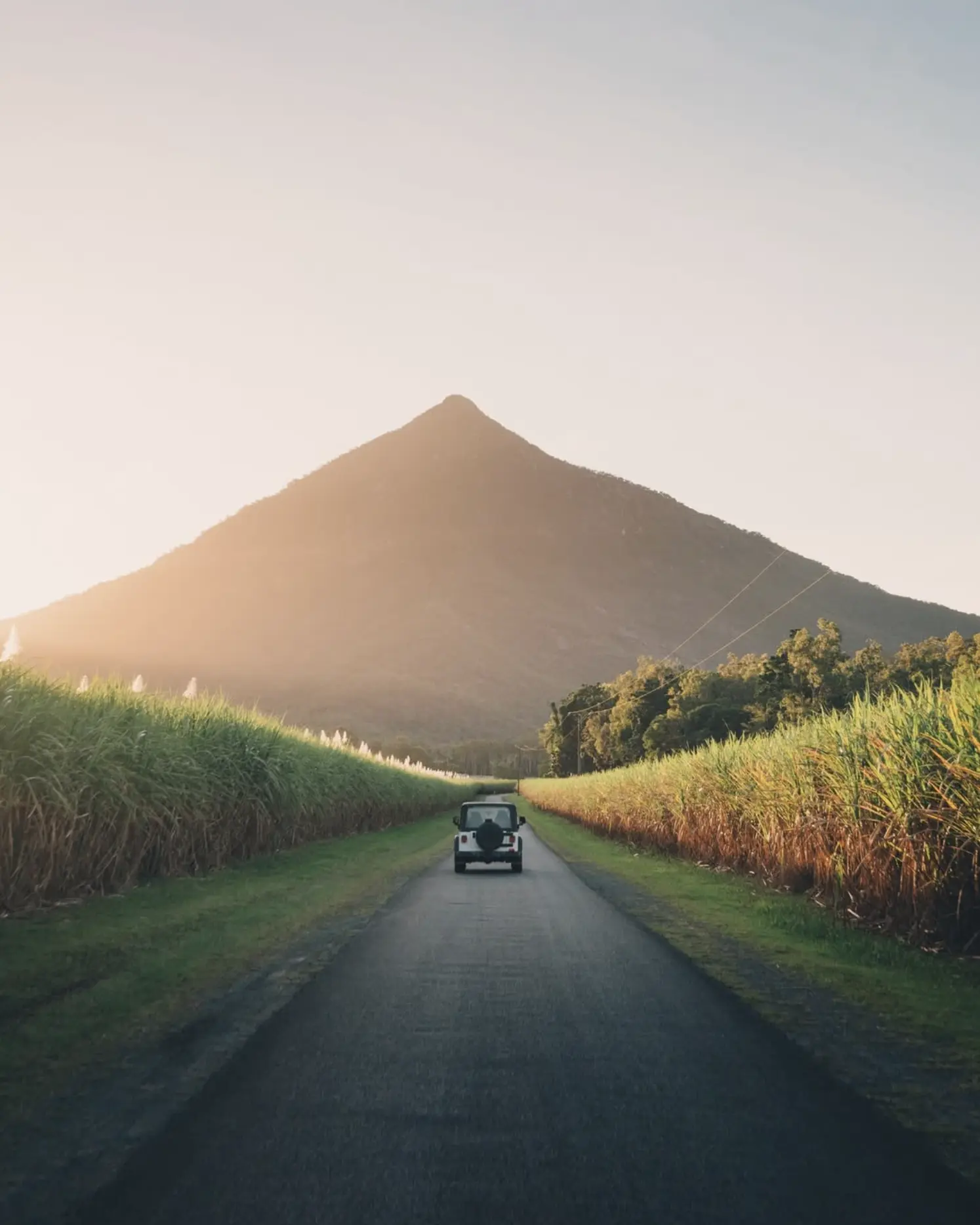
Driving long distances in Australia is no joke. Visitors often miscalculate just how utterly draining hours of sugar cane fields and roadworks can be – especially after 6 straight hours of it.
Dawn Departures Usually Save Stress
If you do plan on driving through regional areas, get an early start. Mornings help avoid all sorts of issues, like hitting wildlife at dawn, getting caught in that dreaded afternoon storm, and – worst of all – that cooked feeling you get when you’ve been stuck in a hot ute all day in the blistering sun.
Paul once ignored this advice outside Rockhampton and almost hooked a kangaroo bigger than a car bonnet with his ute. I’m pretty sure the roo got the upper hand on that one, though.
Remote Roads Require Basic Backup Gear
Mobile phone reception can vanish in an instant outside the major cities. Download all your maps on your phone before you leave the last town, and make sure you’re carrying at least a couple of litres of water – especially if you’re going to be driving inland. Emergency Management Queensland warns of the dangers of crossing floodwaters during storm season, and even Autopia Tours’ itineraries can change in an instant if the weather turns nasty.
A basic roadside kit should include the essentials:
- Spare tyre
- Yumper leads
- Torch
- Water
- Sunscreen
- Paper map backup
That sounds old-school until your GPS sends you onto a goat track with no signal somewhere west of Charters Towers.

- 9 Days / 8 Nights
- 18:00
- 5,950-8,000 AUD

Coastal Safety Matters More Than Tourists Realise
Patrol Flags Matter More Than Tourists Think
Whenever you can, stick to swimming between the red and yellow flags. The rips are often much calmer than the waves around them, which can be a real trap for the unwary.
I remember Paul watching three tourists set up without even noticing the patrol flags because the beach looked a bit quieter there. By ‘a bit quieter’ I mean they were getting dragged back in by the lifesavers five minutes later.
Crocs And Marine Stingers Are Real Risks
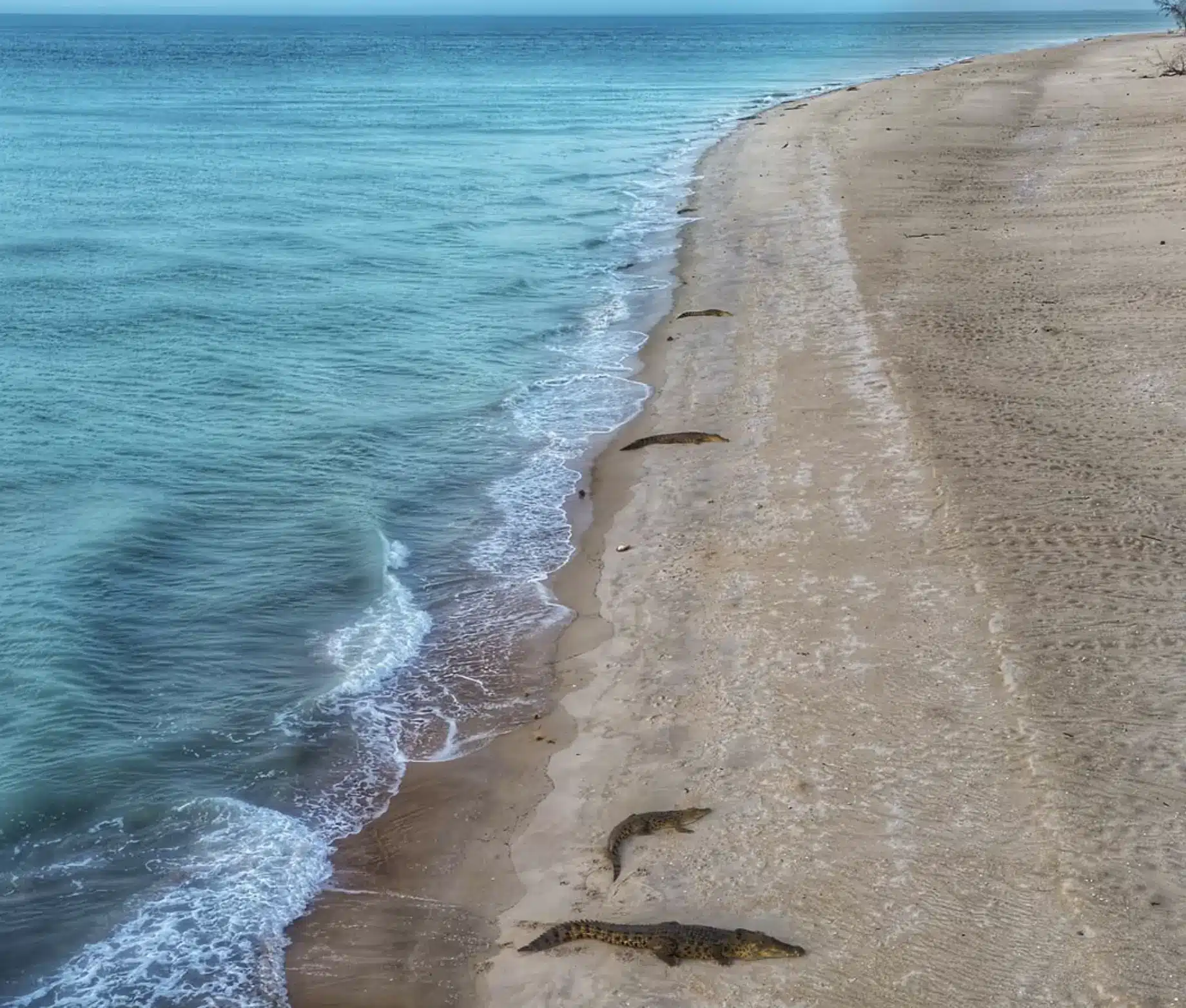
In northern Queensland, crocodile warnings are not to be sneezed at. Don’t go standing in murky estuaries trying to get a snap for your social media at sunset.
Marine stinger season runs from November to May – so if you’re going to be swimming in the ocean, make sure you’re wearing some decent protection against the jellyfish. It might make you look a bit silly, but it’s nothing compared to explaining to the paramedics why you decided to go for a swim without any protection
Not for the Faint of Heart:River swimming spots in Far North Queensland are not exactly the best places to go for inexperienced travellers who’ve never dealt with the dangers of crocs or seasonal flooding.
Reef Tours Differ Wildly In Quality
Outer Reef Trips Usually Deliver Better Experiences
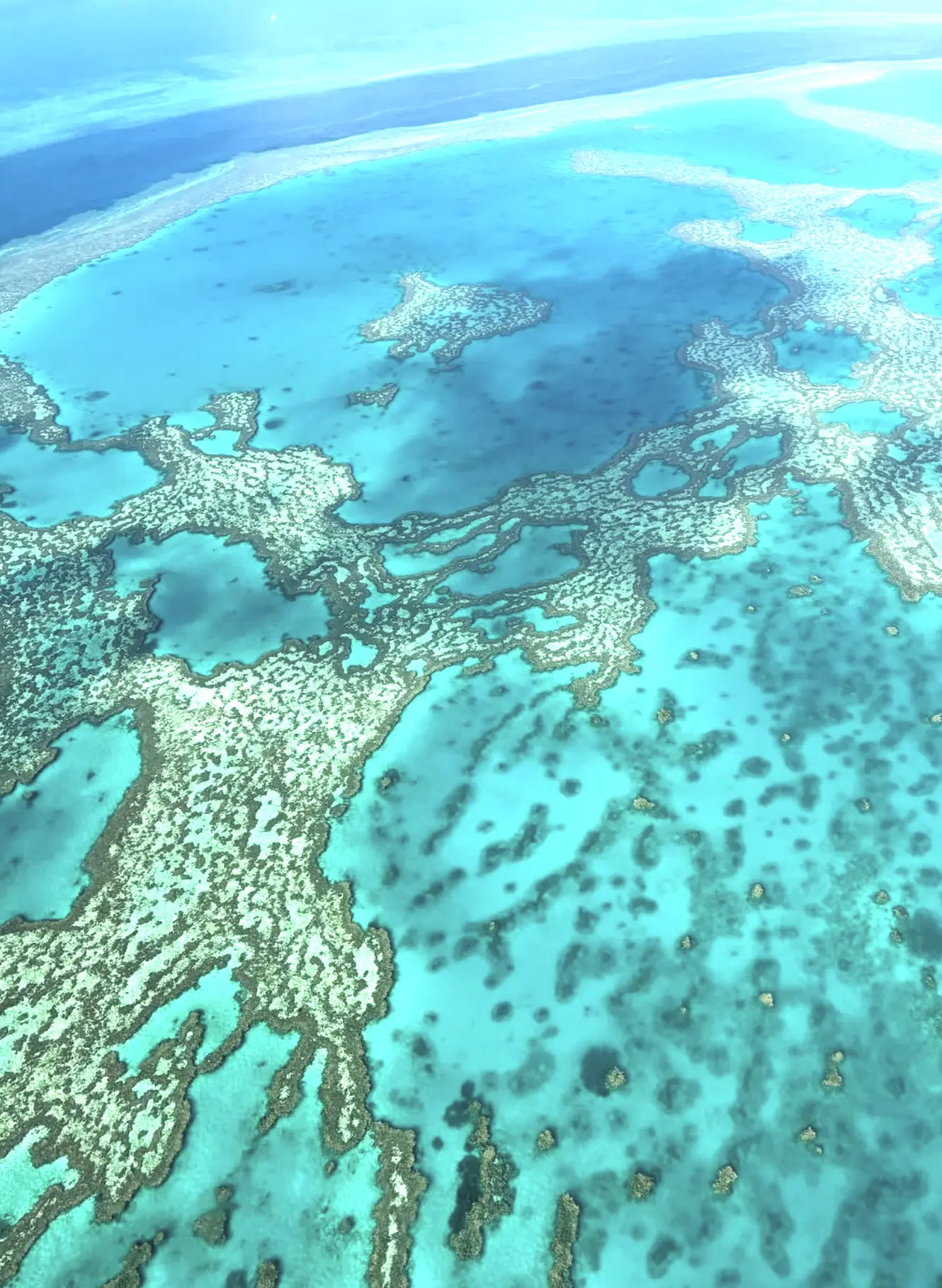
Budget tours just end up taking you out to the shore where the water visibility and coral health are all over the shop. The better operators go out to the outer reef where the water is clearer, and the coral is healthier.
The Australian Institute of Marine Science has found that some reef sections are showing real improvement in coral health in recent years, despite all the bleaching concerns.
What you can expect to pay is:
- A$180-A$250 for budget snorkel tours – not the greatest bargain if you ask me.
- A$300-A$450+ for premium outer reef experiences – which is actually quite a bit better.
- A$600+ for liveaboard diving trips – which can be a real experience if you’re into that sort of thing.
Seasickness Ruins Plenty Of Holidays
This will catch you out again and again. You can be having a lovely time in the morning and then – just like that – the sea has turned rough, and you’re green around the gills.
The tour guides with Autopia Tours will tell you to take some motion sickness tablets before you even set off – not halfway through your trip when you’re clinging to the side of the boat looking like a ghost.
History Runs Deeper Than Most Guides
The Aboriginal and Torres Strait Islander people have been living in this region for a whole bunch of thousands of years. They’ve got deep roots in the land, the sea, trade routes and the stories they tell.
Then along came European settlers – your Willem Janszoons and James Cooks, changing the face of the region. And let’s not forget the Gold Rush – that opened up the whole area to exploration and settlement. Even events like the Native Police and the Burke and Wills expeditions are still discussed today in terms of reconciliation.
Every year during National Reconciliation Week and QLD Day, the focus on shared histories and recognising the Traditional Owners gets a whole lot stronger. Rather than just treating cultural history as a dusty old museum footnote, people are starting to understand what really matters.
Research And Farming Support Regional Economies
Once you get past the tourism, regional communities are pretty much reliant on agriculture, research and education.
The University of Queensland and Queensland University of Technology are two major players in research on digital agriculture, remote sensing, crop science, and sustainable farming systems. And the Queensland Alliance for Agriculture and Food Innovation is doing some great work in subtropical and tropical production systems right across the regions.
Holiday Costs Rise Quickly During Peak Travel Periods

Holiday Accommodation Gets Expensive Quickly
- Hostel bed: A$40–70
- Mid-range hotel: A$220–400
- Reef tour: A$180–450+
- Pub meal: A$28–45
- Rental car: A$90–160 per day
Local Advice Usually Beats Internet Advice
Flooding, bushfires, ferry schedules – you name it – the weather and the tides are always changing. So if a local says “don’t go down that road today”, listen to them. Queensland is not a place to underestimate, as you might find out the hard way.
Traditional Owner guidance is also super important, especially when you’re heading into the remote areas, culturally sensitive sites or national parks. Make sure you respect the closures and the warning signs – it’s a big country, and it can be unforgiving.
Slower Travel Usually Creates Better Memories
For most of us, the best trips to Queensland aren’t the ones where we’re rushing from one famous landmark to the next. They’re the ones where we take our time, don’t worry too much about the weather or getting stuck behind roadworks, and just enjoy the ride.
Paul reckons that’s why people just can’t get enough of this place. Queensland feels real – it’s humid, massive, and occasionally a bit of a pain to get around, but it’s all worth it if you’re not expecting the world.


